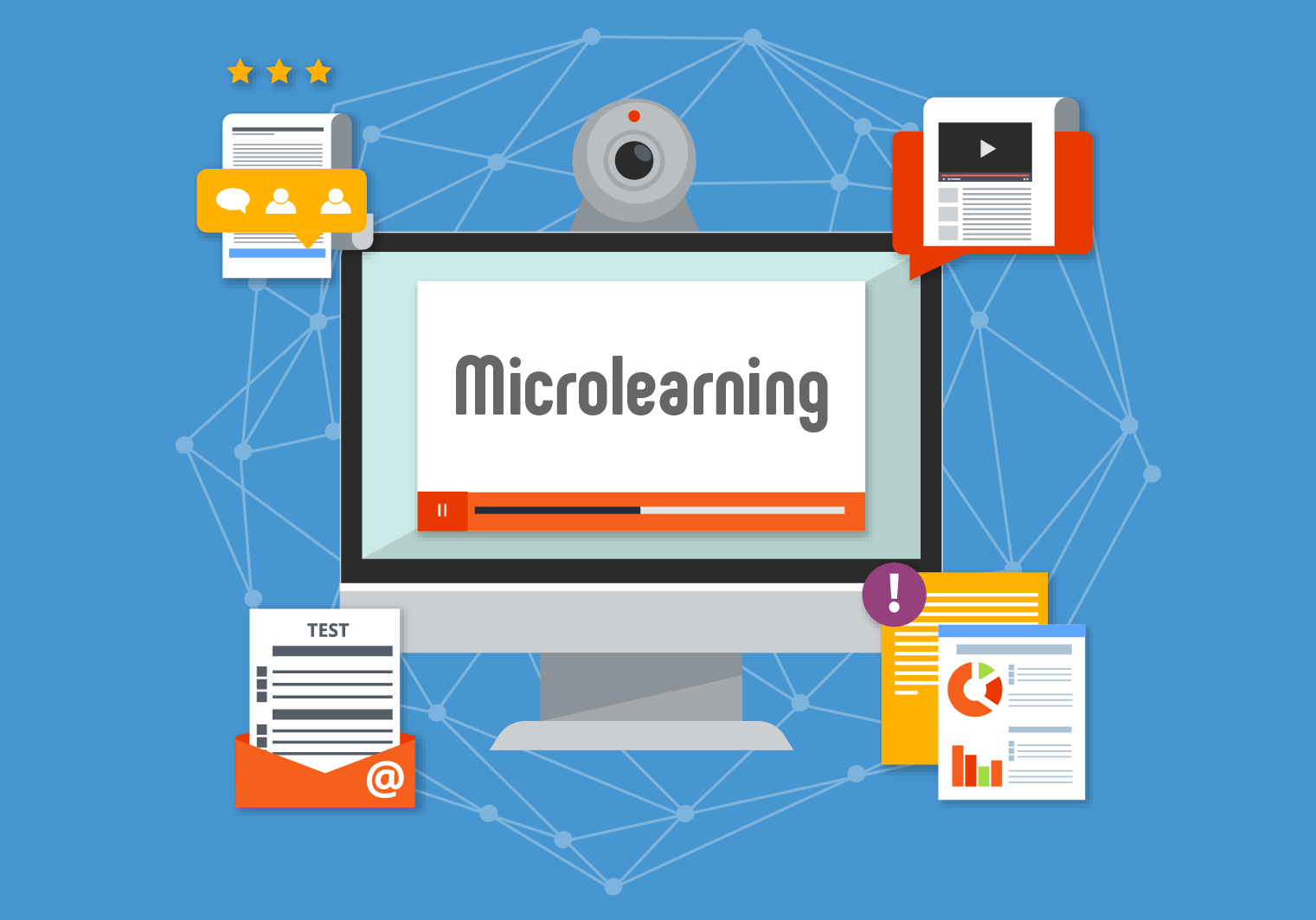
Microlearning: How Bite-Sized Lessons Improve Academic Performance
In today’s fast-paced educational landscape, students face an increasing amount of cognitive load. Academic programs grow denser each year, digital distractions compete for attention, and traditional lecture-based instruction often fails to address the limitations of human working memory. As a result, many learners struggle not because they lack the ability to understand complex subjects, but because the learning formats they encounter are not aligned with how the brain processes and retains information.
Microlearning—an instructional approach based on short, focused learning segments—has emerged as one of the most effective ways to overcome these challenges. It is grounded in cognitive psychology, neuroscience, and modern learning science. Unlike traditional instruction, which often demands long periods of sustained concentration, microlearning breaks content into small, digestible units that students can complete in minutes rather than hours.
In practical terms, microlearning may take the form of a five-minute video explaining a single concept, a short quiz, a flashcard session, a micro-lecture embedded into an online course, or a brief interactive activity focused on one skill. The key is not the digital medium itself, but the segmentation of knowledge. By reducing the cognitive load associated with long learning sessions, microlearning helps students understand concepts more quickly, store information more reliably, and apply their knowledge with greater confidence.
This essay explores the core principles of microlearning, the cognitive mechanisms that make it effective, and how bite-sized formats enhance students’ productivity, memory retention, and long-term academic performance. It also highlights best practices and includes a comparative table summarizing the educational benefits of microlearning.

Why Microlearning Works: Cognitive and Psychological Foundations
The effectiveness of microlearning is closely tied to how the brain processes information. Human working memory has strict limits; it can only hold a few pieces of information at once and becomes overloaded when too many concepts are presented simultaneously. This is why long lectures, densely packed chapters, and marathon study sessions often result in fatigue without meaningful learning gains. Microlearning is designed to work within these cognitive boundaries rather than push against them.
A central principle that explains the success of microlearning is cognitive load theory. According to this theory, learning is most effective when instructional materials avoid overwhelming the learner with unnecessary details. Bite-sized content naturally reduces extraneous cognitive load. Instead of requiring students to process large blocks of information all at once, microlearning presents key ideas in small, well-defined segments that respect the natural limits of attention.
Another powerful factor is the spacing effect—a well-documented phenomenon in cognitive psychology showing that information is better retained when learning is distributed over time rather than condensed into a single long session. Microlearning supports spacing because its small modules can be accessed flexibly throughout the day. Short bursts of learning interspersed with breaks promote stronger memory consolidation compared to prolonged uninterrupted study.
Additionally, microlearning aligns with the principles of retrieval practice, which emphasize the importance of actively recalling information. Micro-quizzes, flashcards, and quick challenges embedded in microlearning platforms give students frequent opportunities to retrieve previously learned material. This repeated retrieval strengthens neural pathways and makes long-term retention more durable.
Motivation also plays an essential role. Long study sessions are emotionally demanding, often leading to procrastination and mental fatigue. Short learning modules, on the other hand, feel achievable and rewarding. They create a pattern of “small wins” that raises self-efficacy, increases engagement, and helps students maintain momentum. Unlike large assignments that feel overwhelming, microlearning fragments the learning journey into manageable steps, allowing students to accumulate progress gradually.
Finally, microlearning resonates with the digital habits of modern students, who are used to consuming information in short formats—social media posts, brief tutorials, short videos. While microlearning is not equivalent to passive scrolling, it capitalizes on the familiarity and comfort that students already have with compact content. As long as the material remains academically rigorous, this alignment with digital behavior patterns can significantly strengthen learning outcomes.
Academic Benefits of Bite-Sized Learning for Students
The advantages of microlearning go far beyond convenience; they extend into measurable improvements in productivity, comprehension, and academic success. When implemented thoughtfully, microlearning enables students to learn more efficiently and perform better on assessments while reducing stress and cognitive strain.
Enhancing Retention and Deep Understanding
One of the major strengths of microlearning is its ability to facilitate stable long-term retention. Because each learning unit focuses on a single concept, it becomes easier for students to encode that concept into long-term memory. Repetition through spaced exposure further reinforces neural connections, ensuring that students retain information far longer than after a single extended lecture.
For example, a student studying statistics might master the concept of standard deviation more effectively by watching three short micro-tutorials over the course of a week, each focused on one aspect of the concept (definition, formula, interpretation), rather than listening to a 40-minute lecture all at once. The segmented structure allows the brain to process one idea at a time, leading to deeper comprehension.
Increasing Productivity and Time Efficiency
Microlearning significantly improves time management. Students juggling academic responsibilities, part-time jobs, and personal commitments often struggle to find long blocks of uninterrupted study time. Because microlearning modules can be completed in minutes, they transform short idle moments into productive learning sessions.
This flexibility is particularly helpful for online learners, adult students, and those who study in non-traditional formats. Completing several micro-lessons per day—each requiring 3–7 minutes—can accumulate into substantial academic progress with much less stress than a single long study session. The structure of microlearning also supports goal-setting: students can easily track their progress as they complete module after module.
Supporting Self-Directed Learning
Microlearning empowers students to take control of their learning. Because lessons are short and clearly defined, students can choose what to study at any given moment. This autonomy boosts intrinsic motivation and helps learners develop a sense of ownership over their academic growth.
Self-directed learners can quickly identify their weaknesses and target specific areas through micro-modules. This leads to more personalized learning experiences and reduces wasted time on content they have already mastered. Microlearning platforms often include diagnostics or adaptive algorithms that adjust difficulty levels based on performance, enhancing the precision of the learning process.
Reducing Stress and Cognitive Overload
Conventional long-format study sessions place heavy demands on cognitive and emotional resources. Students frequently report stress, frustration, and mental exhaustion during extended studying. Microlearning combats this pressure by offering manageable tasks that require short bursts of concentration.
Small learning units create a psychological sense of safety: students feel confident they can complete a lesson without being overwhelmed. This reduction in stress promotes healthier study habits, increases consistency, and improves academic resilience. Students are more likely to return to short lessons regularly, maintaining a steady study rhythm rather than alternating between cramming and burnout.
Promoting Engagement Through Personalization and Multimedia
Microlearning becomes even more effective when paired with multimedia elements such as animations, interactive quizzes, visual explanations, and real-world examples. These tools help students engage with material more fully, especially in subjects that traditionally rely on dense texts or long lectures.
Bite-sized videos that explain a physics concept visually or interactive diagrams that break down biological processes create richer cognitive engagement than static lecture slides. Because each micro-module has a clear objective, multimedia elements remain focused and relevant rather than distracting.
Best Practices and Strategies for Implementing Microlearning
Although microlearning offers substantial benefits, it must be implemented strategically to reach its full potential. The following best practices help educators and students integrate microlearning effectively into academic routines.
Clear Learning Objectives
Each micro-lesson should focus on a single skill, concept, or idea. This prevents cognitive overload and creates a logical learning structure. Overly broad lessons undermine the purpose of microlearning.
Connection Between Modules
Microlearning should feel coherent rather than random. Sequencing modules in a meaningful order—whether chronological, thematic, or hierarchical—helps students build a cumulative understanding of the subject.
Integration of Retrieval Practice
Every micro-lesson should include an opportunity for active recall: a short quiz, a check-in question, or a mini-challenge. This cements learning and strengthens long-term memory retention.
Use of Spaced Repetition
Microlearning works best when sessions are distributed over time. Scheduling micro-modules across several days or weeks maximizes memory consolidation and prevents cramming.
Personalization and Adaptive Feedback
Microlearning platforms that analyze performance and adjust difficulty levels provide learners with tailored instruction. Personalized modules ensure that each student receives the right challenge level at the right time.
Multimodal Content
Combining brief videos, diagrams, examples, and text explanations enriches learning and supports different learning preferences. However, multimedia must stay concise and aligned with the lesson’s objective.
Table: Microlearning vs. Traditional Learning
| Feature | Microlearning | Traditional Learning |
|---|---|---|
| Lesson Length | 2–10 minutes | 40–90 minutes |
| Cognitive Load | Low; focused on one concept | High; multiple concepts at once |
| Retention | High due to spacing and repetition | Often lower; relies on cramming |
| Flexibility | Learn anytime in short intervals | Requires long, uninterrupted sessions |
| Motivation | High; promotes “small wins” | Frequently decreases over long sessions |
| Personalization | Easy to personalize | Hard to individualize content |
| Engagement | Strong through multimedia | Varies; often passive listening |
| Application | Immediate practice in micro-tasks | Delayed practice after long lectures |
Conclusion
Microlearning represents a powerful shift in how students acquire, retain, and apply academic knowledge. By breaking down complex subjects into small, manageable segments, microlearning supports the natural functioning of the brain and reduces the cognitive strain associated with long study sessions. Its alignment with the spacing effect, retrieval practice, and modern learning behavior makes it one of the most effective instructional strategies available today.
For students, microlearning improves memory retention, increases productivity, enhances motivation, and reduces stress. For educators, it offers a flexible, scalable method of delivering high-quality instruction that meets the needs of diverse learners.
As academic workloads continue to intensify and digital environments reshape attention patterns, microlearning stands out as a scientifically grounded and highly practical approach to improving academic performance. Whether incorporated into online platforms, self-study routines, or classroom instruction, microlearning has the potential to transform the learning experience and help students succeed in a demanding educational landscape.

Leave a Reply